Breathing Life Into A Ghost Town
The story of Maxville Heritage Interpretive Center
Ghost Towns Are A Source Of Endless Fascination To People.
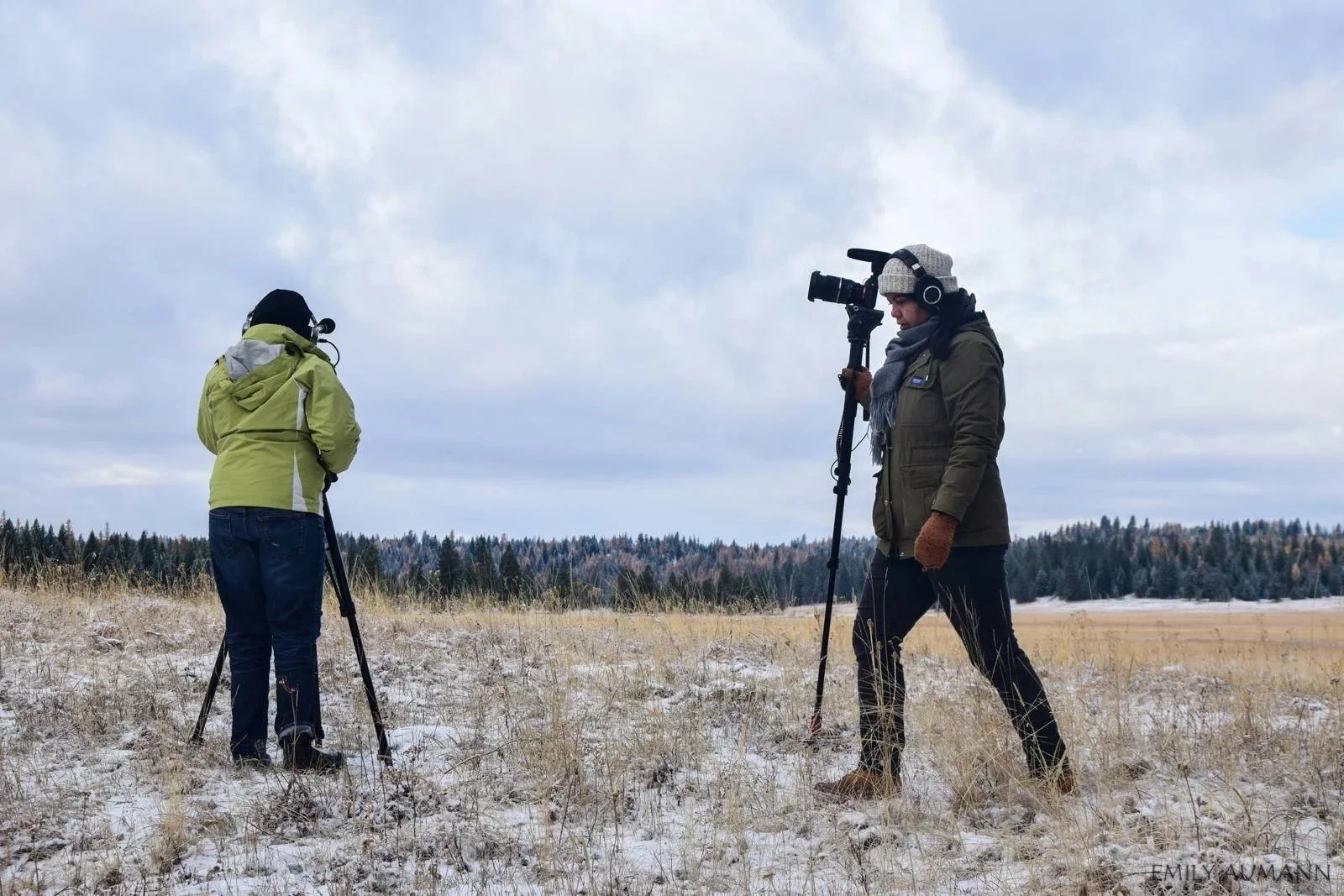
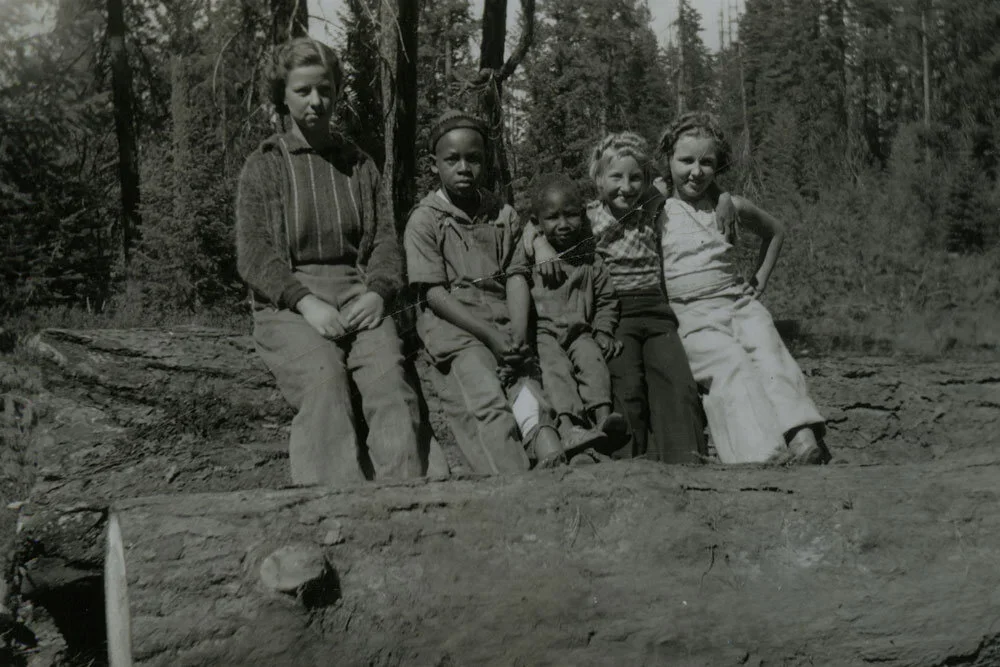
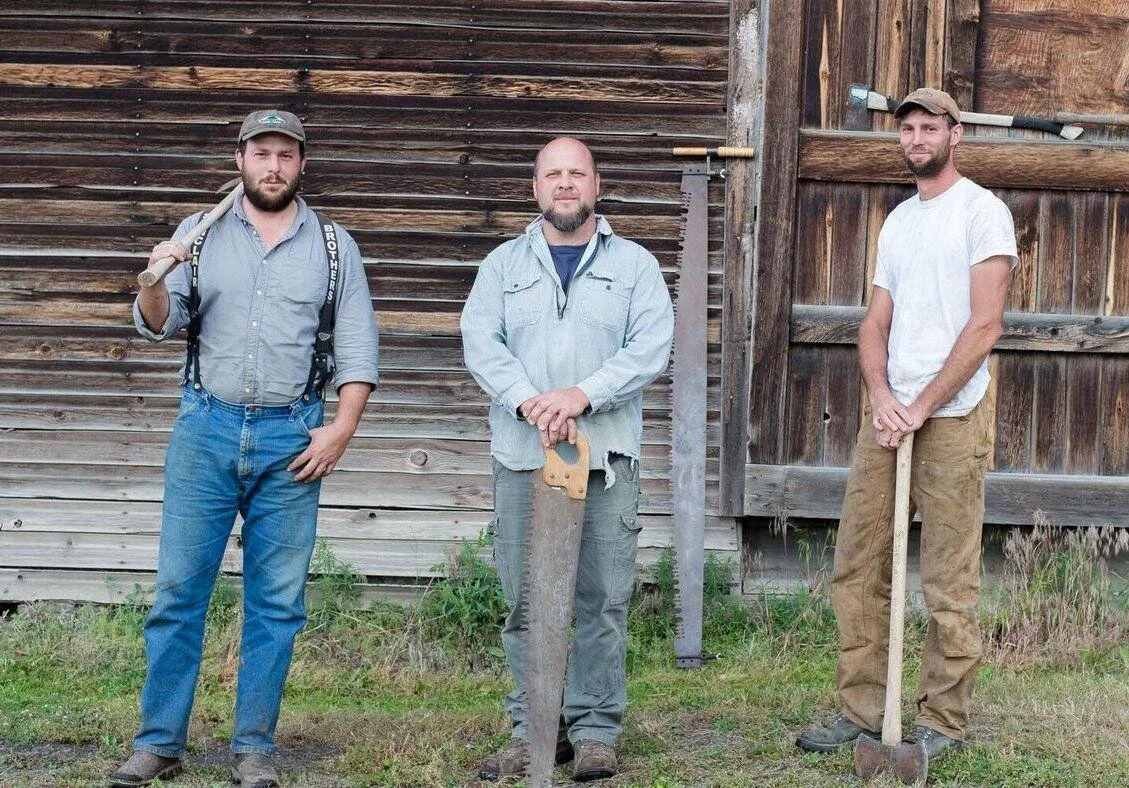
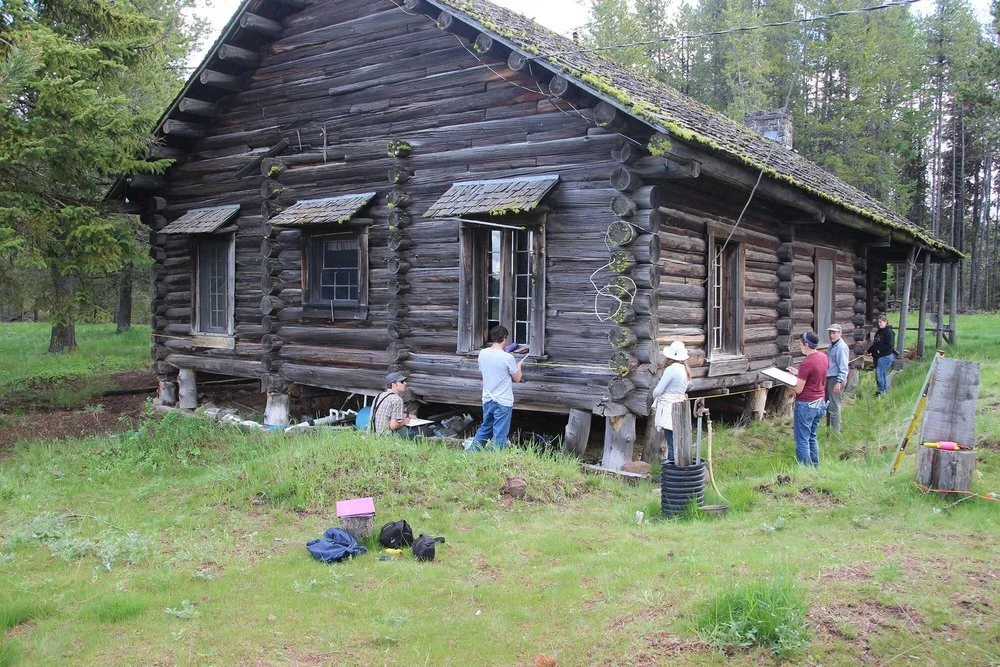
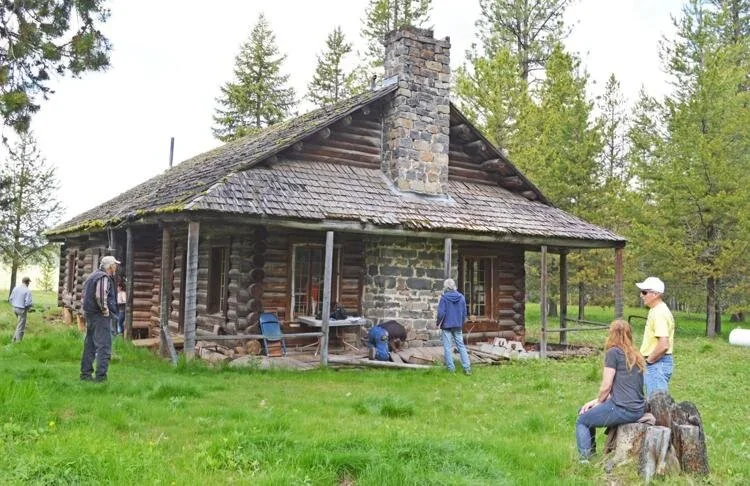
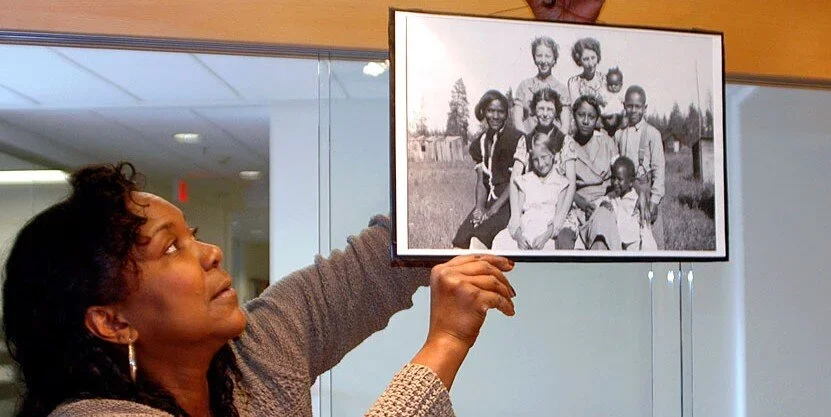
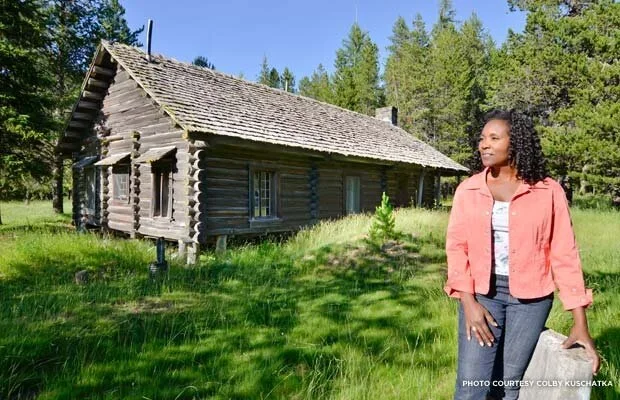
Maxville, nestled in Wallowa County, about 13 miles north of the town of Wallowa in the state’s upper right-hand corner, was once home to about 400 residents. In its heyday, between 1923 and 1933, it was the largest timber operation in the county. Maxville was a timber town—like so many towns in the Pacific Northwest— but, unlike most timber towns, it was home to both African American loggers and white loggers.
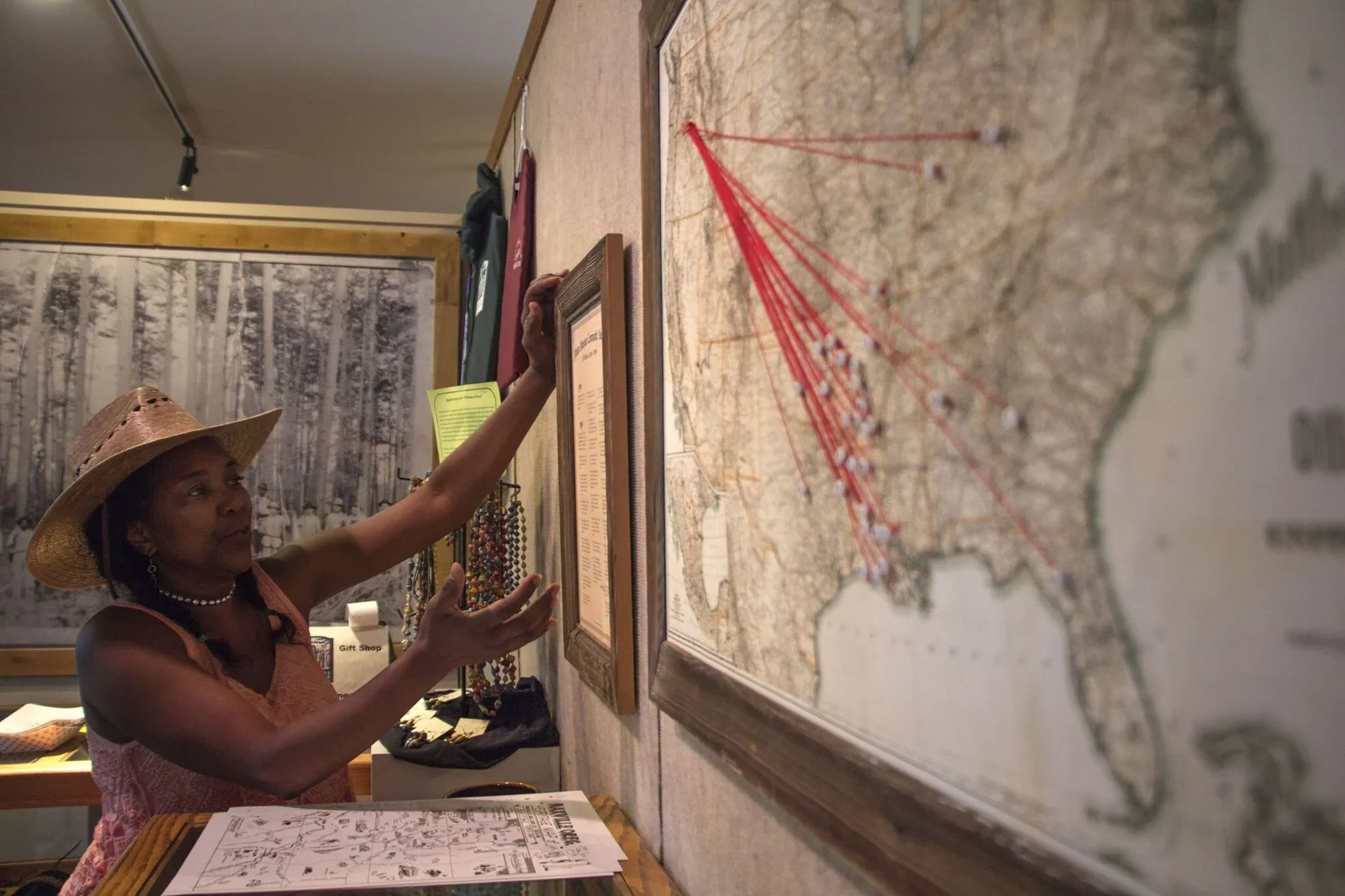
In the early 1920s, the loggers and their families were recruited to Maxville from the South and the Midwest in search of work.
The Bowman-Hicks Lumber Company, which owned the town at that time, brought the black workers and their families to Maxville even though Oregon’s exclusion laws prohibited “free Negroes” from moving to the state to live and work, and the current governor, Walter M. Pierce, was likely a member of the Ku Klux Klan.1
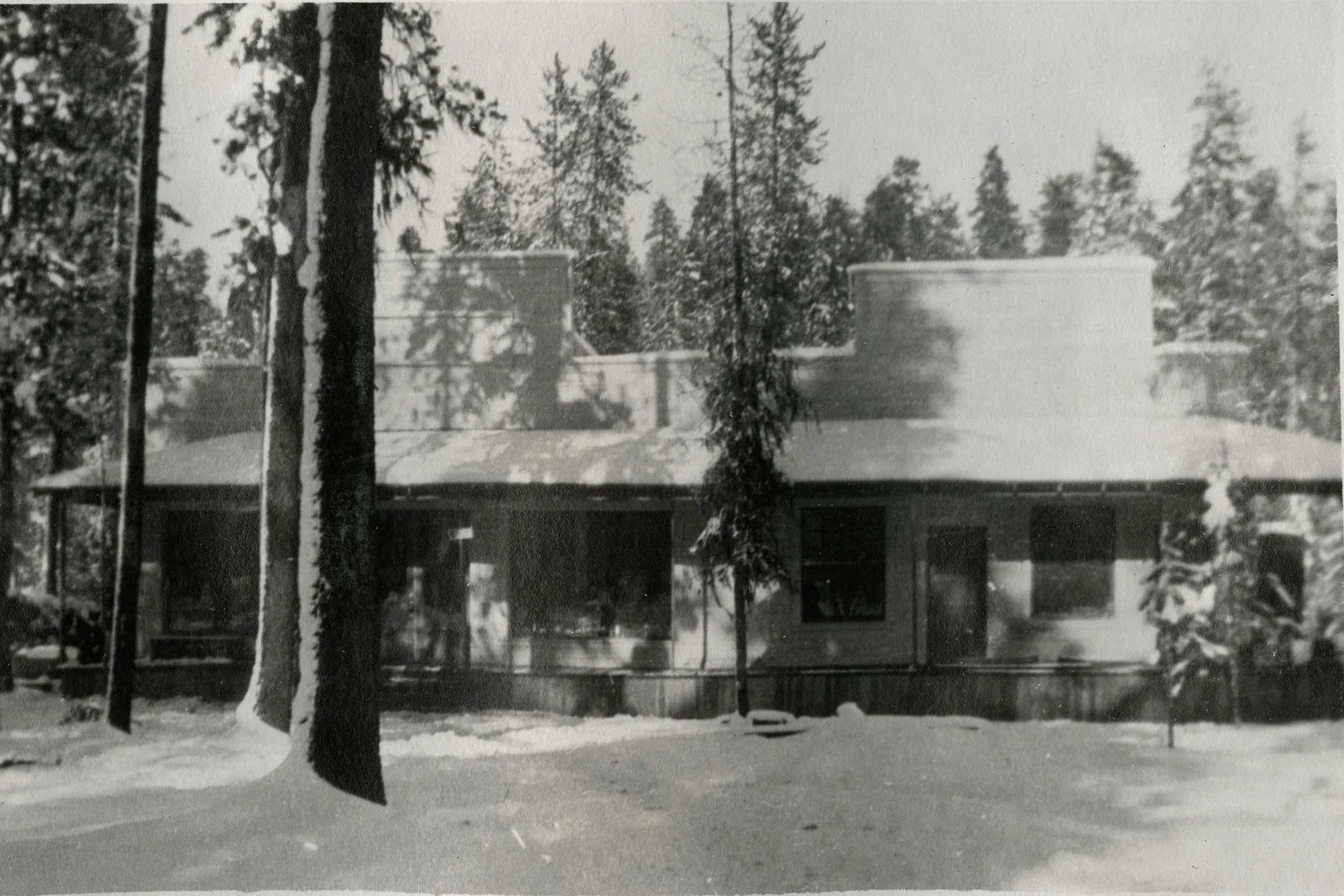
Maxville, at that time, was an incorporated town with a post office, commissary, hotel, doctor’s office, blacksmith, railroad shops, horse barn, and two schools.
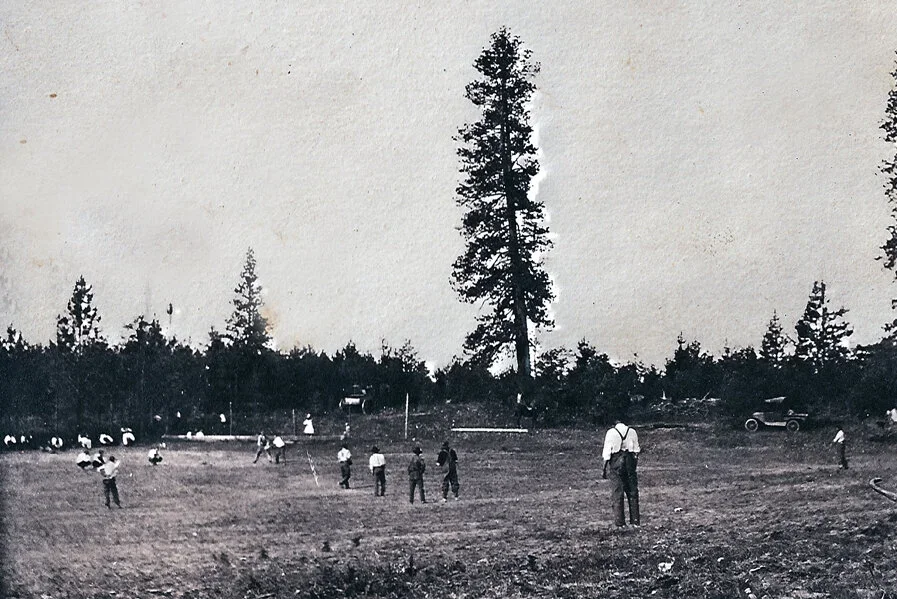
The African American families in Maxville lived in segregated housing, attended segregated schools, and played on a segregated baseball team—but they worked side by side with white workers felling timber. Eventually, approximately 40 to 60 African Americans lived and worked in Maxville.
Economic conditions, especially the Great Depression and consequent downturn in the lumber market, led to Maxville’s decline. In 1933 the Bowman-Hicks Lumber Company closed its operations. Some of the residents settled in the nearby town of Wallowa. A few lingered at Maxville to work in what remained of the timber industry until a severe winter storm in the mid 1940s caused most of the remaining structures to collapse. After that Maxville became a ghost town.
Vernonia, Oregon is another example of a timber town with African American loggers and their families, Vernonia had a Japanese and Filipino quarter. What was thought of as an anomaly (multicultural logging communities) is just another chapter, another part of our American narrative, now shared by historians and descendants.
Maxville, Ore., was once a ghost town. But today, the story of this former logging community is being told and celebrated in creative and inspiring ways. And this renewed interest in Oregon’s timber industry and its workers is, in turn, bringing new life to this part of Oregon.
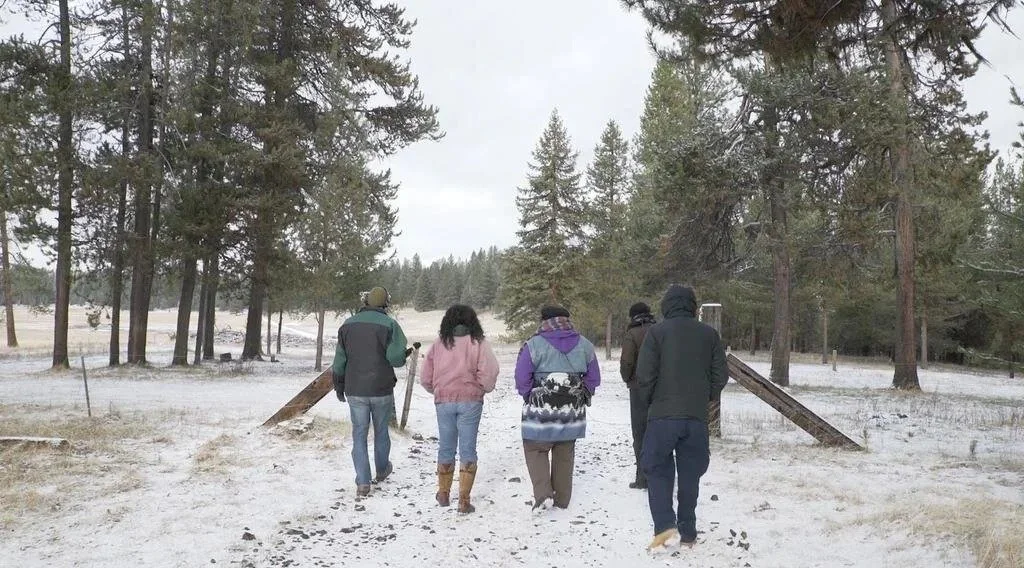
Maxville Heritage Interpretive Center
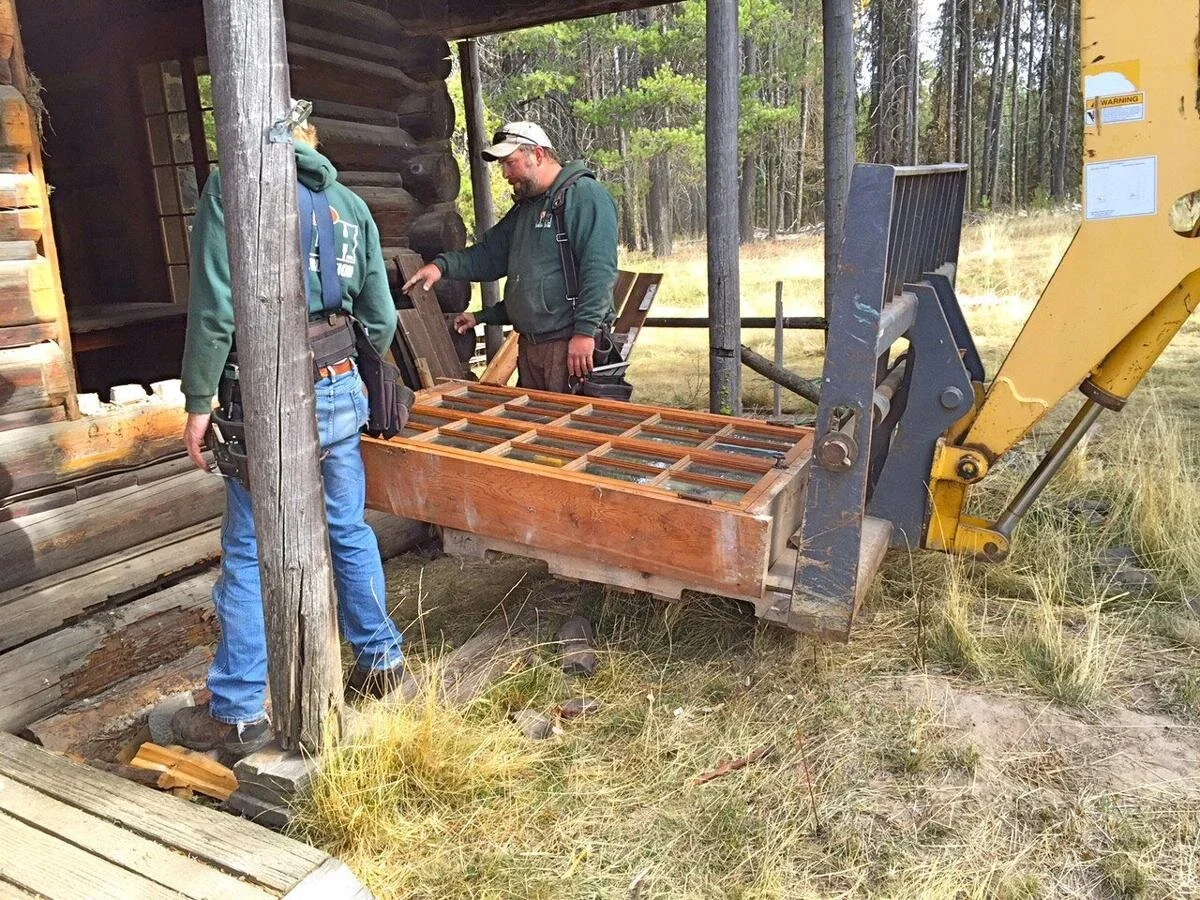
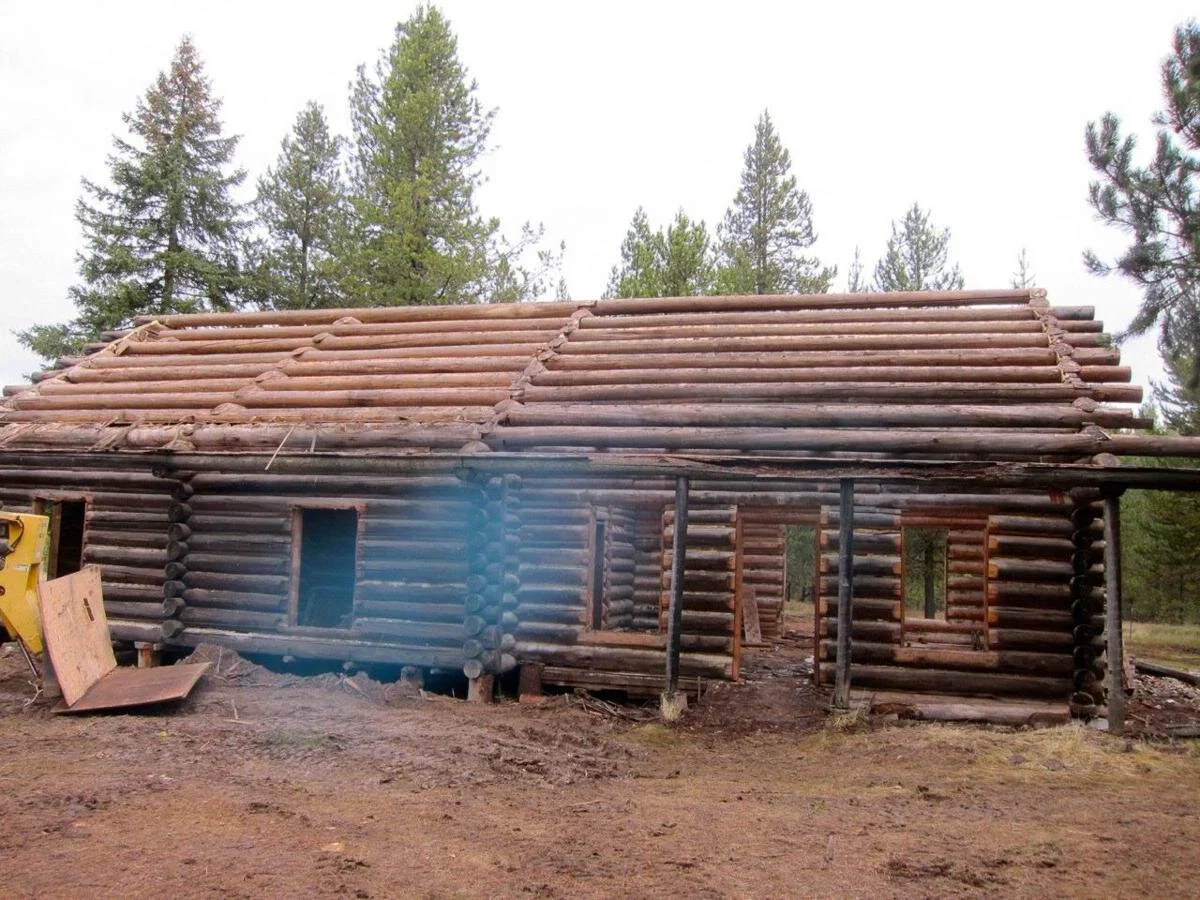
Founded in 2008, the Maxville Heritage Interpretive Center collects, preserves, and interprets the history of the logging community of Maxville and similar communities throughout the West. MHIC’s mission is To gather, preserve, and share the rich history of African American, Indigenous, and immigrant loggers in the Pacific Northwest. We utilize inclusive stories of multicultural logging communities to better connect the experiences of immigrants and migrants to a larger American narrative.”
Annual Maxville Gathering
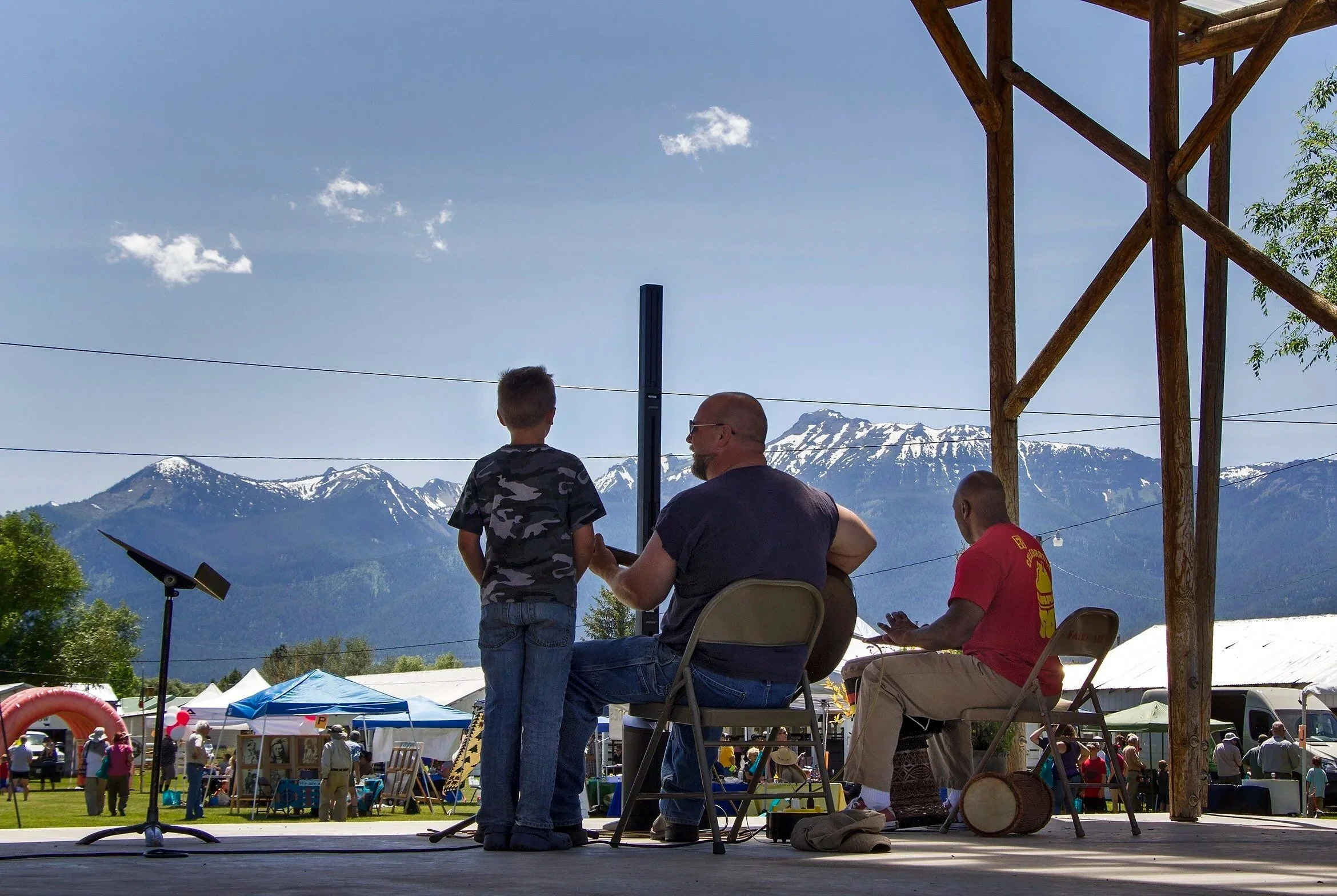
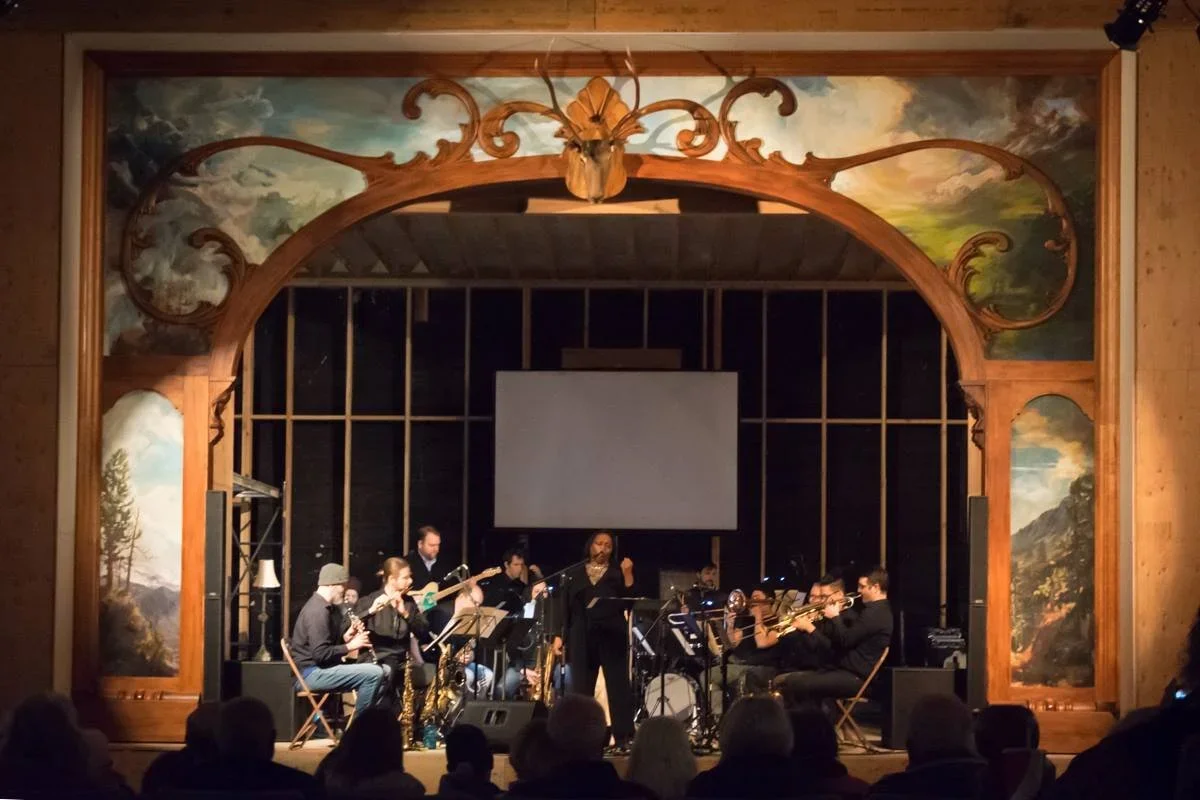
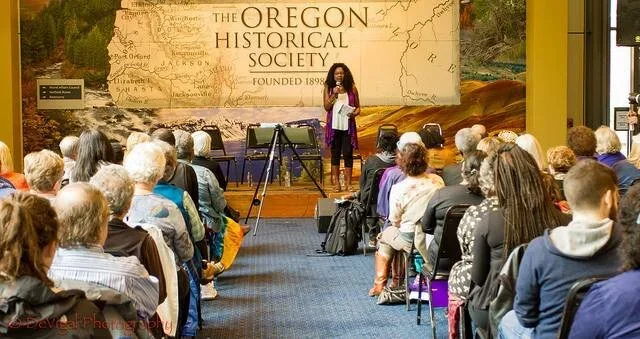
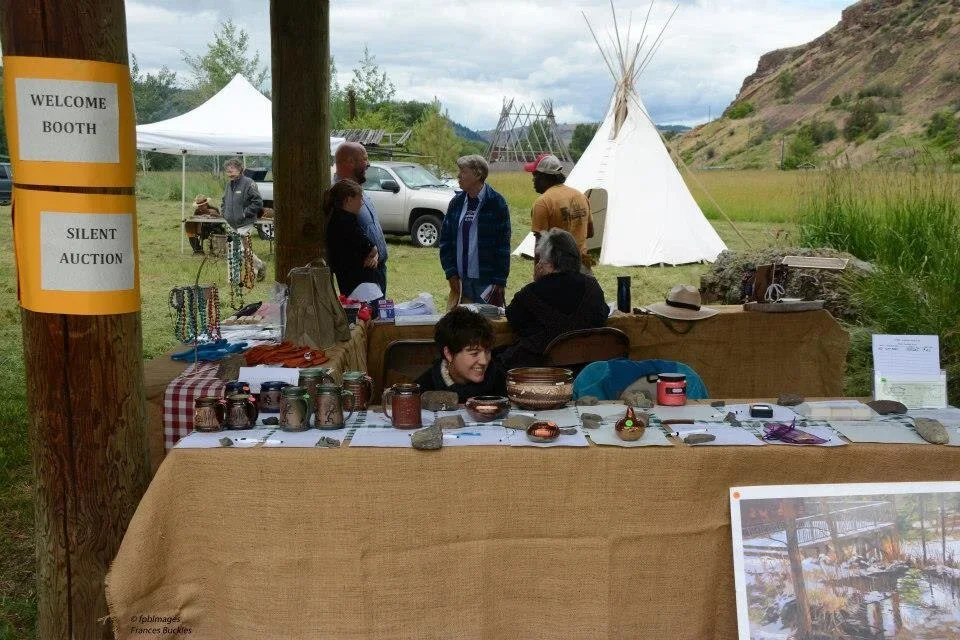
To generate interest in Maxville, the MHIC organized the first Annual Maxville Gathering in 2009. This signature event now occurs on the last Friday of June each year. MHIC partners with Wallowa Resources, the Nez Perce Tribe and the Music Alliance with the Woodlands and Watersheds Festival held at the Wallowa County Fairgrounds in Enterprise. This collaborative effort celebrates our community's valuable natural and cultural resources.
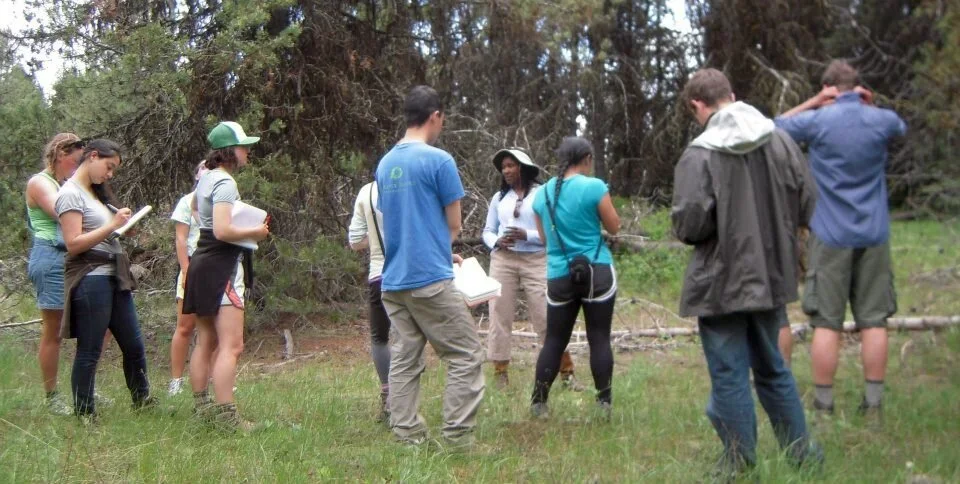
The festival provides opportunities for locals and visitors to learn directly about our streams, rangelands, forest and community programs and the organizations that help people care for their lands, water sources, and each other. MHIC engages Science, Technology, Engineering, Arts, and Mathematics (STEAM) in education, curriculum and interpretation learning.
footNotes
Oregon’s state constitution stated “No free Negro, or Mulatto, not residing in this state at the time of the adoption of this constitution, shall come, reside, or be within this state, or hold any real estate, or make any contracts, or maintain any suit therein; and the Legislative Assembly shall provide by penal laws, for the removal, by public officers, of all such Negroes, and Mulattos, and for their effectual exclusion from the state, and for the punishment of persons who shall bring them into the state, or employ, or harbor them” (Oregon Constitution, art. I, §35, repealed in 1926).
Maxville Heritage in the News